Welcome,
I would like to invite you to the world of wetland and aquatic plants. This group contains many genera and species that adapted to their environment. There are very variable. They can be found along banks of rivers and ponds that are often exposed to fluctuations in the leve, turbidity or temperature of the water, e.g. during floods. Common characters of these plants are floating seeds and/or easily breakable part of rhizomes, tubers. Their populations can also be quickly restored from seeds that sleep hiden in mud for several years or decades.
We can be divide them to several groups according their adaptation to habitat. The first group, emergent plants, consists of plants that root in wet soil or under the water, with leaves and flowers emerged above the water surface or floating on it (pollinated mainly by air) as e.g. Phragmites, Typha, Phalaris, Bolboschoenus, Sparganium, Nymphaea, Sagittaria,...
The second group is constituted of submerged plants. Their whole bodies and leaves are submerged and as they dont need supporting tissue that would keep shape of their bodies they usually have different appearence after taking them out of the water. They flower either under the water surface (pollination by water) or their flowers are during flowering above the water surface. Most common are Elodea, Potamogeton, Myriophyllum, Ceratophyllum.
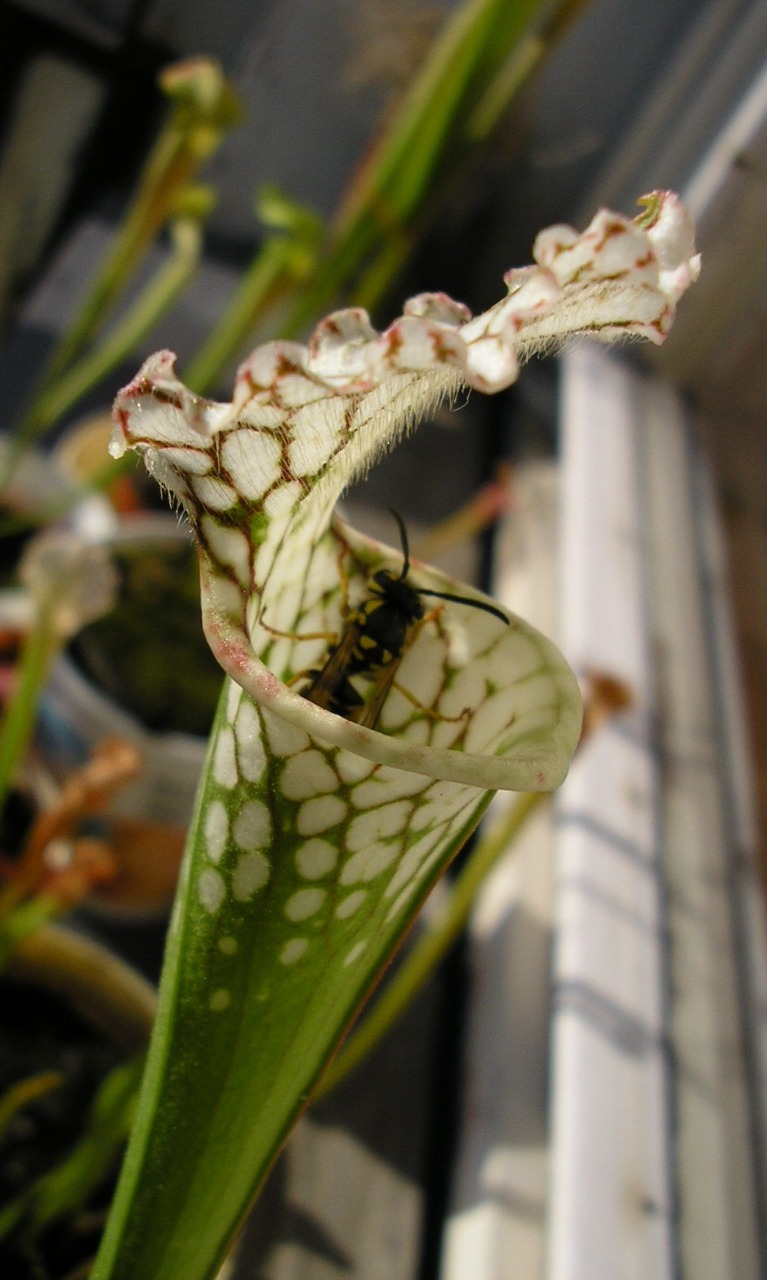
Very specific and interesting adaptation can be seen in carnivorous plants that changed a lot their leaves, stems and roots to be able to atract, catch and digest insect, zooplankton, mollusk and other small animals. They can be found around the world in very different habitats, some of them grow whole year, others hibernate during winter or dry periods. They can be vary small as Drosera and Pinguicula, Utricularia or much bigger as Nepenthes or Sarracenia. Most of them can be found not far from our homes mainly in wet habitats as peat bogs, wetlands, ponds.
Although, I study mainly Bolboschoenus and Sparganium, I like all aquatic and wetlands plants. Their adaptations to aquatic habitat are often wonderful, especially carnivorous plants are the proof of that. These and others plants are looking forward to your attention.
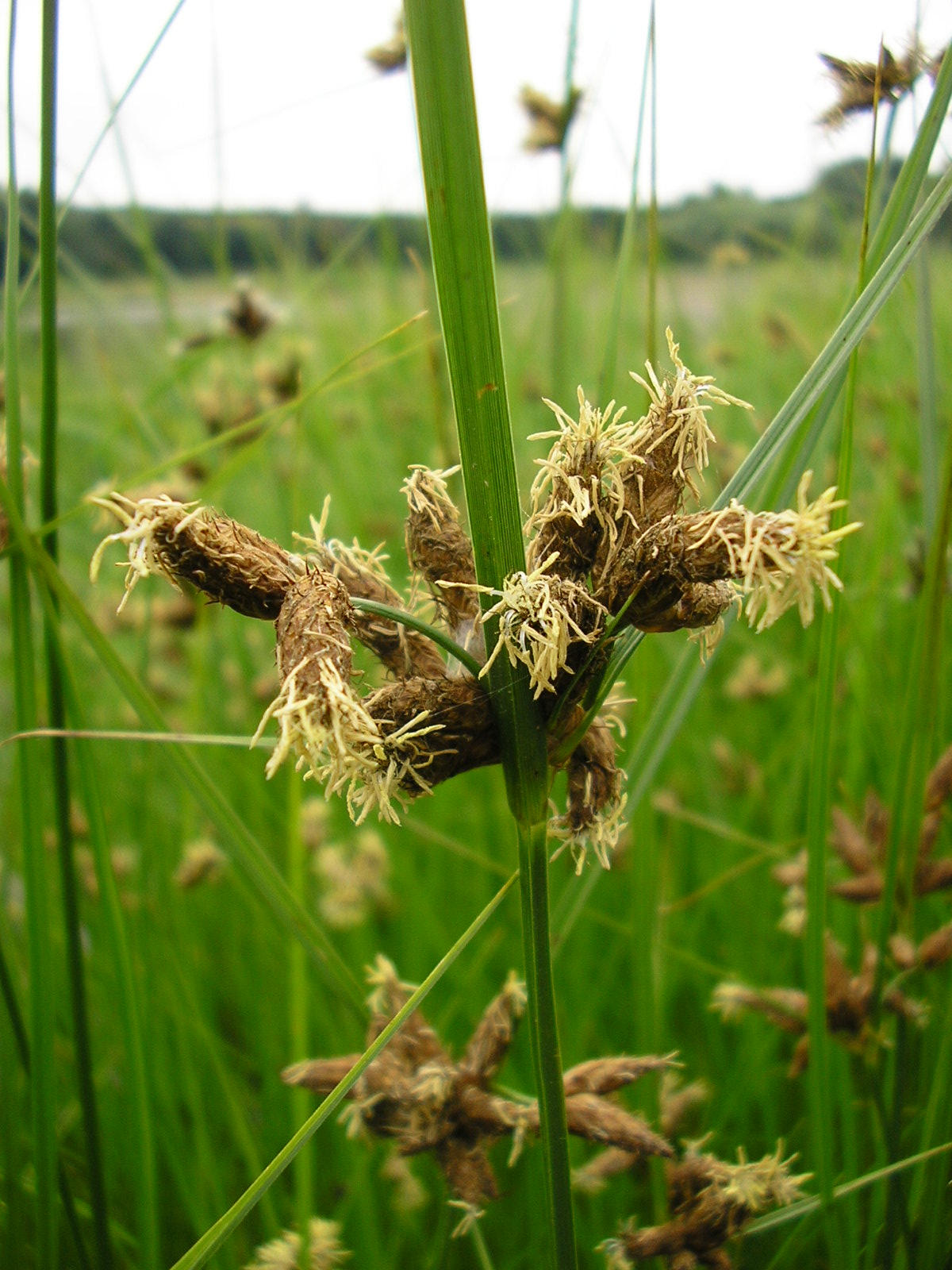
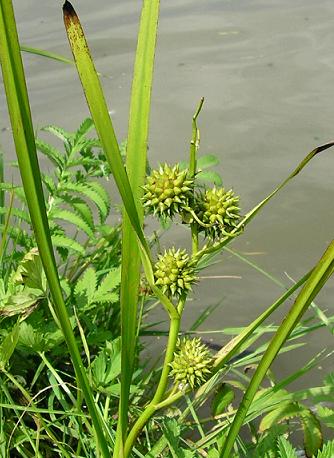
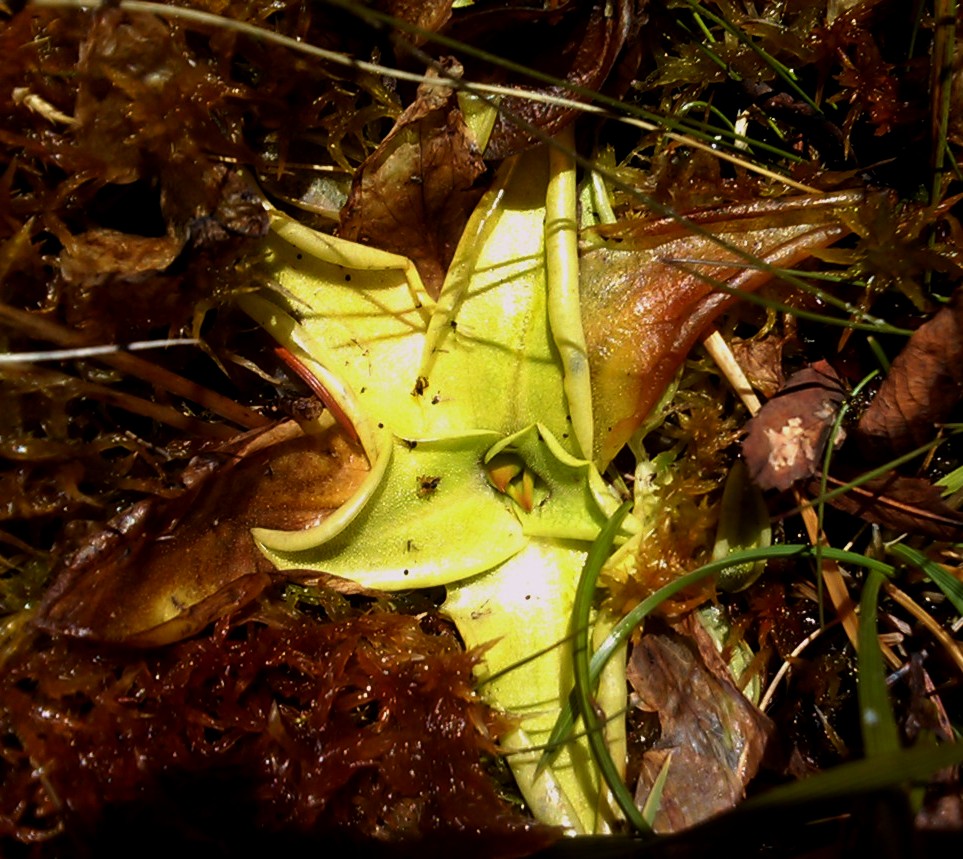
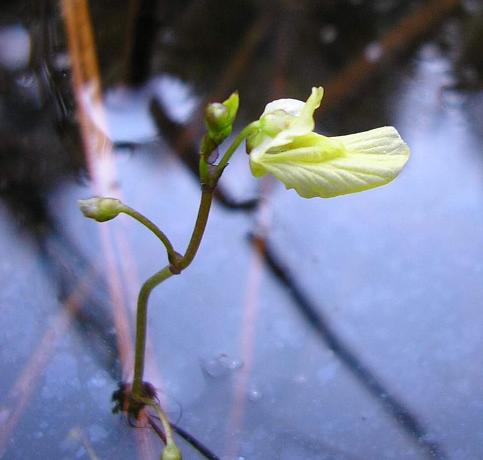
Utricularia, Sparganium, Bolboschoenus,...
These are plants that have inspired my curiosity and research for long years.
Although Utricularias were my first scientific step and in that time only floristic research, I decided to study Sparganium and Bolboschoenus in more detail.
Species Sparganium erectum was my Ms. thesis topic and filled in the years by visiting ponds, rivers, ditches, wetlands and others sometimes hardly accesible places. I still have these memories when collect other plants as Bolboschoenus, but this time everything is much easier with traveling by car then by trains and buses during my study times.